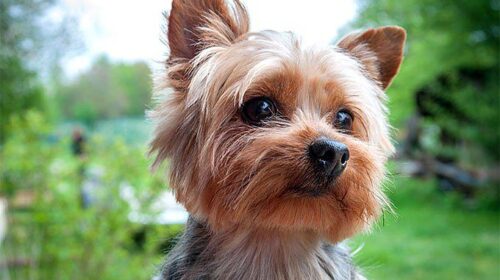
The Yorkshire Terrier, commonly known as the Yorkie, is a small, compact dog breed classified as a toy dog. Originating in Great Britain, this dog has silky fur, flowing gracefully from the head and neck to the body, and exuding a lustrous sheen.
The Yorkshire Terrier is a small companion dog and one of the world’s most popular pet breeds. In terms of average intelligence, they rank 27th among all companion dogs—a relatively high ranking. This makes them easy to train and quick to understand their owners’ intentions. Yorkshire Terriers are light and compact companion dogs. Adult Yorkshire Terriers typically weigh between 2-3 kilograms.
Yorkshire Terrier temperament and characteristics
The Yorkshire Terrier is a delightful small breed. Adorable and intelligent, this small dog is brave, loyal, and extremely affectionate. Full of energy, impulsive, and courageous, it can also be stubborn. Friendly, determined, and active, with agile and light steps, it is devoted and loyal to its owner, but wary of strangers. It gets along easily with other household members, including cats and other dogs. However, it is a highly attached dog to its owner, so avoid introducing new animals to avoid jealousy. When raising a Yorkshire Terrier, training should begin early, and consistency is key. Establish a designated toilet spot, establish mealtimes, braid its coat, and groom it regularly. Otherwise, adult Yorkshire Terriers can become difficult to handle. Regularly clean their teeth, eyes, and outer ears; daily brushing and dry cleaning are essential to prevent skin breakage. Yorkshire Terriers love to walk and run around in their yard. Provide plenty of space for exercise. They can also be quite clingy, so avoid introducing new animals to avoid jealousy.
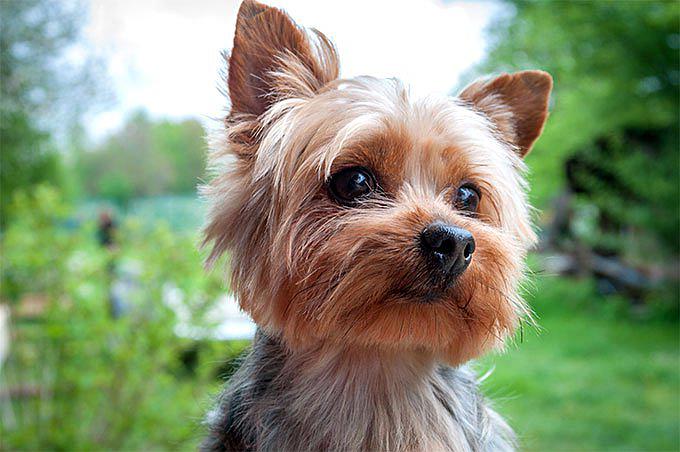
Yorkshire Terrier Dog Physical Appearance
The texture, quality, and quantity of the fur are extremely important. The fur is shiny, soft, and silky. The body fur is quite long and straight (no wavy texture at all). For ease of movement and a neat appearance, the fur can be clipped to just below ground level. The hair on the crown of the head can be tied in a knot in the middle or parted in half and combed to either side to form two braids. The muzzle hair is exceptionally long.
Puppies are born with black and brown coloring, which is very dark. Their body color is brown mixed with black hair, and this color remains until adulthood. For the body color of the adult dog, the head and legs must have clear brown markings. The following colors are also required: Blue: A deep steel blue, with no silvery blue and no bronze or black hairs mixed in. Brown: All brown hairs must have a dark root color.
Head
The head is small and relatively flat; the skull should not be protruding or arched. The muzzle should not be excessively long, and a protruding or downturned jaw is not acceptable. The teeth are strong. Both scissor and pincer jaws are acceptable. The nose is black. The eyes are medium-sized and not protruding; they are deep and bright, revealing a sharp and intelligent expression. The rims of the eyes are dark. The ears are small, V-shaped, and erect, set close to the head.
eyes
The eyes are medium-sized and not prominent; their color is dark and bright, indicating a keen and intelligent gaze. The rims of the eyes are dark.
Ear
Small, V-shaped, upright ears; their bases should not be too far apart.
nose
The front part of the nose is black.
tail
The tail is medium in length and densely covered with hair. It is carried low against the back, with the tail held raised. When raised, it reaches slightly above the upper back. The tail is not clipped, densely covered with hair, and the hair at the tip is darker than the rest of the tail.
Chest
Strong and compact, without excessive bone structure.
Neck
The neck is of medium length and appears naturally stretched upwards.
front part
The thighs should be straight, the body should be covered in dark brown hair, with the tips slightly lighter than the roots; the brown hair on the forelegs should not extend beyond the elbows.
rear drive
When viewed from behind, the legs are straight and the knees naturally bent. The body color is dark brown, with the tips of the hair slightly lighter than the roots. The brown hair on the hind legs should not extend beyond the knee joint.
The origins of the development of the Yorkshire Terrier
The Yorkshire Terrier, named after its origin in Yorkshire, England, is also known as the Yorkshire Terrier, Joseph’s Dog, or Joseph’s Ape. This breed is small in size, second only to the Chihuahua among small dogs. Its fur is silky and soft, resembling a maiden’s hair, flowing from the head and neck to the rest of the body. Yorkshire Terriers often wear decorative ribbons on their heads and, like most terrier breeds, have a playful nature. Since the Victorian era, they have been fashionable pets and beloved by people of all ages, establishing a strong presence in the dog world. Today, they remain one of the most popular breeds globally. Named after its origin in the Yorkshire region of England, this breed has a history spanning over a century. It underwent numerous improvements and was highly valued by local laborers and farmers as a rat-catcher. Early breeds were much larger than today’s dogs. It is said that the workers in northern England who successfully developed the Yorkshire Terrier kept their breeding records secret because they did not want to share their methods with those who might profit from it. In fact, some Scottish people moved south to work in the wool mills of Yorkshire and brought terrier dogs such as the Skye Terrier with them. These terrier dogs later interbred with local terriers, giving rise to the Yorkshire Terrier breed. This breed also includes the Maltese, Black and Tan Terrier, Manchester Terrier, and Smooth-Coated Terrier lineages.
Photos of purebred Yorkshire Terriers
How much does a Yorkshire terrier cost?
According to market research data, the price of a domestic Yorkshire Terrier in India typically ranges from 25,000 to 80,000 rupees. The price varies depending on appearance and quality. Nowadays, most people raise Yorkshire Terriers primarily as family companion dogs. The appearance and breed requirements for these pet Yorkshire Terriers are not very high. Dogs with acceptable appearance and quality, and a calm temperament, are suitable for purchase in the pet market, selling for around 1,000 yuan. Even in kennels, dogs in this pet category typically cost between 2,000 and 6,000 yuan. It is not advisable to purchase dogs at too low a price, as many problems are often found in them after they are brought home.
Yorkshire Terrier Intelligence Profile
Yorkshire Terriers rank 27th in intelligence, making them charming and clever dogs. Despite their small size, they are brave, loyal, and affectionate.
Yorkshire dogs have excellent learning abilities. They easily learn simple commands after a few repetitions, and with proper guidance from their owners, they can also quickly master complex tasks. This is why they are popular in many homes.
When training a Yorkshire Terrier, it’s essential to be prepared for “long-term training.” Don’t assume that because their intelligence is high, training them won’t take much effort.
Additionally, since Yorkshire Terriers are small dogs, owners should use food rewards sparingly during training. This prevents them from developing picky eating habits and leading to problems like bloating or obesity. Training sessions should not be too long. Long training sessions can cause Yorkshire Terriers to become bored and refuse to continue training, or they may become exhausted, leading to tremors or fainting.
Features of the temperament of the Yorkshire Terrier
Yorkshire Terriers retain their natural instincts and enjoy walks and runs in their backyards. Given enough space, even a small apartment can be kept mentally active and happy with toys. They consider themselves large dogs and are very keen on defending their territory. Their hearing is so keen that they can detect any unusual sounds and alert their owners. If neighbors don’t mind their barking, they make ideal pets. They can be a bit picky eaters and don’t always get along well with active children. Strict training is necessary to control their behavior. They make excellent watchdogs and family companions. At shows, Yorkshire Terriers are always alert and enthusiastic, attracting everyone’s attention. This alert, intelligent, and calm terrier is brave.
Lifestyle Habits of the Yorkshire Terrier
Yorkshire Terriers are impulsive, playful, energetic, and brave, but also stubborn. They are determined, friendly, and active, with agility and a lightness of movement. They are loyal and affectionate to their owners, but wary of strangers. Despite their small size, they retain the temperament of a terrier breed and enjoy walks and runs in their backyards. Providing them with toys alone can keep them mentally active and happy. They consider themselves large dogs and are fiercely protective of their territory. Due to their keen hearing, they alert their owners to the slightest unusual sound. Dominant by nature, they will attack other dogs without hesitation, even larger breeds, and are not afraid of them. They have a voracious appetite and do not get along well with hyperactive children. Strict training is necessary to control their energy. They make excellent guard dogs and family companions.
Advantages and disadvantages of the Yorkshire Terrier
An intelligent, alert, brave and calm-natured toy terrier.
Identifying and Selecting a Yorkshire Terrier
Many people envy the beautiful, silky, long-haired Yorkshire Terrier. Their beauty isn’t just due to good genes—proper care is just as important. As the saying goes: “Three parts beauty, seven parts care.” There are many things to consider when raising a Yorkshire Terrier.
In addition to regular cleaning of teeth, ear canals, and eyes, regular grooming and brushing are essential to maintaining their beauty. Start grooming them from a young age so they get used to it and don’t resist.
Aim to keep their shiny golden coat long and brush it regularly to avoid tangles and maintain its shine. With regular brushing and dry cleaning, they only need a bath every few months.
Yorkshire harriers usually get enough exercise indoors and don’t need frequent walks outside, which can cause their long, silky coats to become dirty. If they must be taken outside, choose clean and well-maintained areas.
Due to their small size, their appetites are naturally small; one meal a day is sufficient (for adult dogs only). Their teeth are delicate, so avoid feeding them hard foods.
They naturally crave human affection and can sometimes seem impatient, but this is due to their deep need for care from their owner and their clever, inquisitive mind. Understanding the reason for their barking will make it seem less like a noise.
Every owner wants a healthy, vibrant companion, yet some health problems – minor or major – are inevitable.
The important thing is to learn about your dog’s common health risks, recognize the signs of illness, and accurately describe the symptoms to your veterinarian – this will help you provide better care. Every breed has its own unique physical characteristics and predisposition to certain conditions, and Yorkshire Terriers are no exception.
Yorkshire Terriers are prone to tooth loss; avoid hard objects to avoid accidents.
The most challenging aspect of caring for a Yorkshire Terrier is their long coat. Neglecting proper grooming can easily lead to skin diseases!
Yorkshire Terriers have a domineering nature and will attack other dogs without hesitation. They show no fear, even when faced with larger breeds.
Frequently Asked Questions (FAQs)
What type of dog is a Yorkshire terrier?
The Yorkshire Terrier, commonly known as the Yorkie, is a small, compact dog breed classified as a toy dog. Originating in Great Britain, this dog has silky fur, flowing gracefully from the head and neck to the body, and exuding a lustrous sheen.
What is the average weight of a Yorkshire terrier?
Yorkshire Terriers are light and compact companion dogs. Adult Yorkshire Terriers typically weigh between 2-3 kilograms.
What is the intelligence of a Yorkshire Terrier?
Yorkshire Terriers rank 27th in intelligence, making them charming and clever dogs. Despite their small size, they are brave, loyal, and affectionate.
Are Yorkshire Terriers easy to train?
Yorkshire dogs have excellent learning abilities. They easily pick up simple commands after a few repetitions, and with proper guidance from their owners, they can also quickly learn complex tasks.
What is the temperament of a Yorkshire Terrier?
Yorkshire Terriers are impulsive, playful, energetic, and brave, but also stubborn. They are loyal and affectionate to their owners, but wary of strangers.
What kind of care does a Yorkshire Terrier require?
In addition to regular cleaning of teeth, ear canals, and eyes, regular grooming and brushing are essential to maintaining their beauty. Start grooming them from a young age so they get used to it and don’t resist.